




Lives in: Praia, Cabo Verde
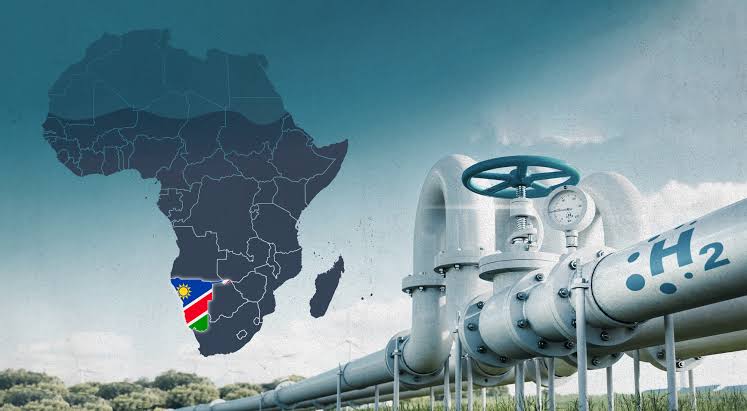
Cape Verde has taken a major step toward becoming West Africa’s leading green-energy exporter as the government confirmed a new partnership with European energy agencies to accelerate its ambitious Green Hydrogen Island Initiative. The deal, announced today in Praia, will bring advanced electrolysis technology, offshore wind assessments, and funding for large-scale solar expansion — positioning the island nation as a future supplier of clean fuel to international markets.
A Strategic Leap Into the Future
For years, Cape Verde has relied heavily on fuel imports, straining its budget and slowing industrial growth. The new initiative aims to reverse that pattern by harnessing the country’s abundant wind and sunlight to produce green hydrogen — a resource global economies are aggressively seeking as they transition away from fossil fuels.
Energy Minister Paulo Veiga emphasized the historic
Energy Minister Paulo Veiga emphasized the historic significance of the partnership:
“Cape Verde will no longer be just an energy-dependent island nation. We are becoming a renewable-energy powerhouse with export potential.”
Europe’s Interest and Global Demand
European Union representatives say Cape Verde’s geographic position and stable political environment make it a reliable partner for green-fuel development. With Europe facing increasing pressure to meet net-zero targets, the continent is investing in trustworthy external hydrogen producers — and Cape Verde is emerging as a prime candidate.
International analyst Dr. Mariane Hofstad noted:
“Cape Verde could become the Morocco of the mid-Atlantic — a clean-energy corridor linking Africa to Europe.”
Benefits for Local Economy & Youth
The project is expected to generate over 5,000 skilled jobs, especially for youths in engineering, logistics, safety, and plant operations. Local universities in Praia and Mindelo have already begun planning new technical programs dedicated to renewable-energy science.
Fishing and tourism communities are also expected to benefit from improved grid stability, reduced fuel prices, and potential new export revenue streams.
Challenges Ahead
Experts caution that Cape Verde must build strong environmental regulations to ensure hydrogen plants do not strain water resources or disrupt coastal habitats. The government has promised transparent environmental reviews and community involvement at every stage.


