



Pretoria – October 27, 2025
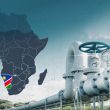
The South African government has unveiled a bold National Energy Recovery and Reform Plan aimed at ending the country’s decade-long power crisis and fully eliminating load shedding by 2026.
President Cyril Ramaphosa announced the initiative during a press briefing at the Union Buildings on Monday, describing the plan as “a turning point in South Africa’s economic renewal and energy independence.”
“We are done managing crises,” Ramaphosa said. “This is about permanent solutions — reliable power for homes, businesses, and industries. South Africa cannot build prosperity in the dark.”
The plan, developed jointly by Eskom, the Department of Mineral Resources and Energy, and private sector stakeholders, includes three major strategies:
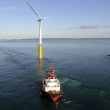
Accelerating renewable energy projects under the Integrated Resource Plan (IRP 2025).
Privatizing portions of the national grid to improve efficiency and reduce corruption.
Expanding nuclear and gas capacity to diversify the energy mix.
Energy Minister Gwede Mantashe emphasized that the government has already signed agreements worth R240 billion ($12 billion) with independent power producers to boost solar and wind capacity by more than 6,000 megawatts within the next 18 months.
“We are building the future grid today,” Mantashe told reporters. “South Africa must transition responsibly — keeping the lights on while creating green jobs and attracting new investment.”
The announcement comes after months of nationwide frustration over rolling blackouts that have crippled small businesses and slowed industrial output. Analysts say if implemented successfully, the reform plan could restore investor confidence and accelerate economic recovery.
Economist Nomfundo Maseko from the University of the Witwatersrand praised the move but warned that “implementation and political accountability will determine success.”
Eskom’s acting CEO, Dan Marokane, confirmed that the utility has secured an additional $500 million in financing from the World Bank to modernize grid infrastructure and deploy advanced battery storage systems in Gauteng, Mpumalanga, and the Western Cape.
The Presidency has promised monthly public progress reports starting January 2026 to ensure transparency and maintain public trust.


